
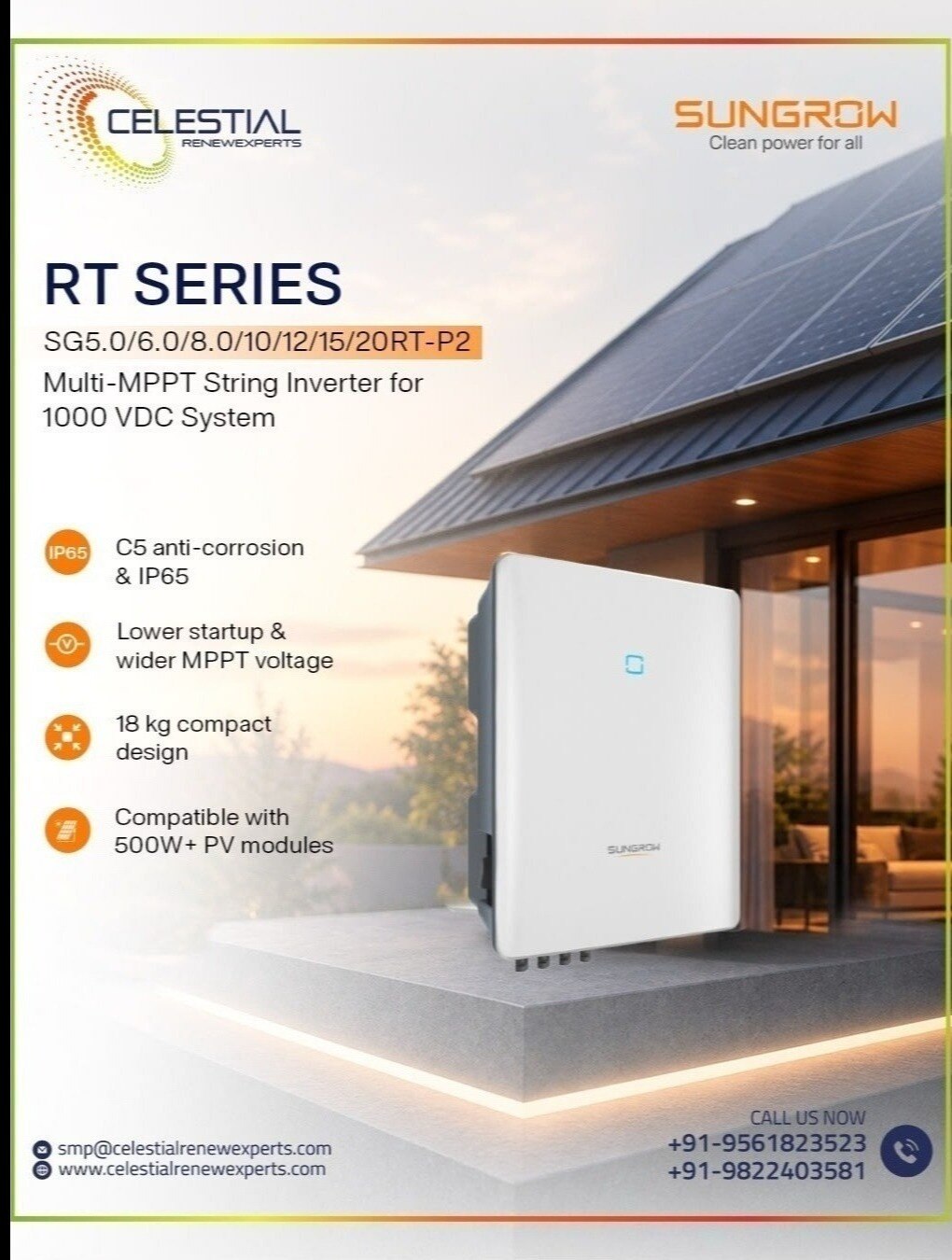
An on-grid inverter and a utility transformer perform different jobs, so a Pune solar plant rarely chooses between them as alternatives. Use the point of interconnection, array design, voltage study, loading conditions and protection requirements to decide how the two pieces must work together.
Key takeaways
- A utility solar plant needs both inverters and transformers.
- Use string inverters for flexibility; choose central inverters for concentrated layouts.
- Size inverters from PV voltage, current, temperature and clipping limits.
- Specify transformer ratings, impedance, cooling and grid-test requirements before award.
Inverter or transformer: which equipment does your Pune plant actually need?
A utility plant normally needs both an inverter and a transformer, not one instead of the other. PV modules produce DC; the solar on grid inverter in Pune converts that electricity into low-voltage AC, commonly around 400 V. The transformer then raises the AC voltage for medium-voltage collection and export to the point of interconnection.
Solar on grid inverter or transformer for utility solar in Pune is therefore a sequence question, not a product choice.
| Equipment | Electrical job | Typical position |
|---|---|---|
| Inverter | Converts PV-module DC into low-voltage AC | At each array block or inverter station |
| Transformer | Changes low-voltage AC to medium voltage | Beside the inverter block or AC collection point |
| Utility connection | Receives approved export voltage | Point of interconnection |
A utility solar transformer in Pune may have an 11 kV, 22 kV or 33 kV secondary, but do not select that voltage from a catalogue. MSEDCL, another applicable distribution licensee, and the project grid study determine the approved interconnection voltage.
Place the transformer close enough to limit 400 V feeder length, current, voltage drop, copper cost and fault-loop impedance. Do not place it in a drainage path or flood-prone depression: monsoon water, inadequate oil containment and difficult access can turn a short cable route into a safety and maintenance liability.
The final layout balances low-voltage losses against drainage, bunding, ventilation and weather protection.
String or central inverter: which utility-scale layout gives you the better trade-off?
A distributed string layout wins when shading, orientations and maintenance access vary across the site; a central inverter wins when reducing equipment count and AC collection complexity matters more.
| Option | Electrical trade-off | Operational trade-off |
|---|---|---|
| String: SG125CX-P2 or SG75CX-P2 | Multiple MPPTs handle different orientations, uneven string lengths and partial shading; shorter DC homeruns reduce collection losses. | Smaller monitored blocks limit each outage, but add AC feeders, protection devices, communications points, transformers and maintenance interfaces. |
| Central inverter | Fewer inverter units and AC collection points; longer DC homeruns and higher-current DC collection demand careful cable-loss design. | One failure removes a larger block and replacement usually needs lifting equipment, a crane and more specialised access. |
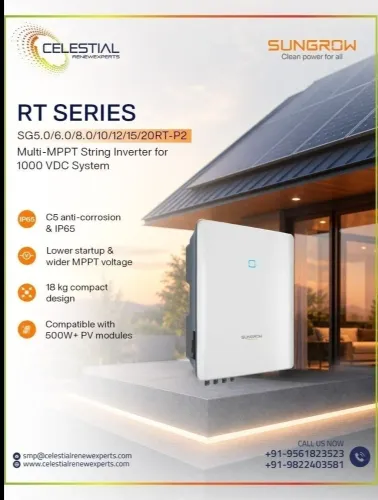
The Sungrow SG125CX-P2 in Pune provides 12 MPPTs and 125 kW-class, 400 V AC output; the Sungrow SG75CX-P2 in Pune provides 9 MPPTs and 75 kW-class, 400 V AC output. Neither removes string checks. A solar on grid inverter in Pune still needs segregation, surge protection, isolation, earthing and coordinated protection.
Place each transformer near its inverter block or AC collection point, but outside flood paths and drainage channels. More string units improve electrical segregation; they also multiply connectors, terminations, relays and monitoring points.
Before award, confirm:
- Plant availability target and outage block size
- Access roads, crane or lifting needs, and monsoon technician access
- Spare-unit storage, replacement route and isolation time
- Transformer count, AC collection voltage and protection schedule
- DC homerun length, string monitoring and communications architecture
How to size the inverter and prove every PV string will operate safely
A practical DC/AC ratio starts with the plant’s export limit, module technology, inverter warranty and Pune’s hot-season derating—not the inverter’s absolute maximum DC input rating. Oversizing can raise annual yield, but it also causes clipping during high-irradiance hours; never treat 1,100 V as a recommended design voltage or headline efficiency as hot-weather efficiency.
1. Set the AC capacity against the approved export limit. Confirm the intended DC/AC ratio with the inverter’s temperature derating curve, clipping forecast and warranty conditions. A solar on-grid inverter in Pune must remain within its input-current and thermal limits during hot, clear conditions.
2. Calculate every string before ordering. Check the highest open-circuit voltage at the minimum design temperature, then confirm it remains below maximum DC voltage. Check the lowest operating voltage at the maximum module temperature and confirm it stays inside the MPPT operating range.
3. Verify short-circuit current, current per MPPT, connector ratings, permitted parallel strings and string-fuse requirements. Repeat the checks for the selected module technology and any series or parallel arrangement. Sungrow SG125CX P2 in Pune and Sungrow SG75CX P2 in Pune still require this string-level proof; MPPT count does not replace it.
4. Separate inverter sizing from transformer sizing. A 125 kW inverter at 0.95 power factor requires about 132 kVA before margins, temperature derating, reactive-power range, harmonic heating and overload requirements. Select the transformer from apparent power and grid duties, not the inverter’s kW label.
5. Record anti-islanding, voltage and frequency response, power-factor control, harmonics, DC injection, surge protection and BIS/IEC and CEA evidence in the purchase specification. A compliant design also needs the distribution utility’s export approval.
How to specify the utility transformer for Pune conditions and grid connection
Specify kVA from inverter apparent power, power factor, reactive-power range, temperature derating, overload and future margin—not kW alone. State the inverter-side secondary voltage and 50 Hz frequency, utility-approved ratio to 11 kV, 22 kV or 33 kV, vector group, impedance, insulation level, DETC or OLTC tap arrangement, neutral treatment, fault withstand and kVA.
Select ONAN oil cooling or dry-type cooling with enclosure, IP rating, corrosion protection, ventilation, drainage and oil containment.
| Parameter | Choice to confirm | Consequence |
|---|---|---|
| Impedance | Utility study value | High impedance worsens voltage regulation; low impedance increases fault duty |
| Cooling | ONAN or dry-type | Affects fire protection, ventilation and maintenance |
| Taps | Off-circuit or OLTC | Determines voltage control during operation |
For a utility solar transformer in Pune, evaluate the solar on grid inverter or transformer for utility solar in pune as one system. Check voltage rise, reactive-power capability, harmonics and protection coordination. Review transformer inrush, inverter anti-islanding, relay pickup, breaker sequence and controlled energisation; an inverter factory test does not prove safe plant energisation.
Make these contractual deliverables:
- CEA connectivity and safety compliance, utility interconnection conditions, and BIS/IEC type-test evidence
- Harmonic-current, DC-injection, surge-protection, abnormal-voltage and abnormal-frequency response data
- Factory and site tests for ratio, vector group, winding resistance, insulation, no-load, short-circuit, relay injection, trips and communications
Do not assume one Pune-wide voltage. Confirm the point of interconnection, earthing and protection settings through the MSEDCL or other distribution utility grid study.
How to compare suppliers, installation risk and acceptance testing before award
Do not award on inverter kW or transformer price alone. Compare the complete inverter-transformer-MV switchgear package, including manufacturer temperature-derating curves, power-factor and reactive-power capability, harmonic-current data, protection settings, cable terminations, monitoring, spares and service access. A 125 kW inverter at 0.95 power factor already represents about 132 kVA before margins and derating.
| Criterion | Weak bid | Evidence to award |
|---|---|---|
| Package | Separate equipment quotations | Single coordinated drawings, ratings and interface responsibilities |
| Grid behaviour | Nameplate compliance claim | Anti-islanding, abnormal-voltage/frequency, harmonics, DC injection and surge-protection test evidence |
| Site resilience | Standard enclosure and terminals | Pune heat derating, IP rating, corrosion protection, drainage and sealed cable terminations |
| Support | Generic warranty | Stocked spares, response times, commissioning engineer and isolation procedure |
For a solar on grid inverter in Pune and a utility solar transformer in Pune, require these factory and site acceptance records:
- Inverter functional tests, polarity, continuity, insulation resistance, protection-trip tests, communications and monitoring checks.
- Transformer ratio, vector-group, winding-resistance and insulation tests, followed by no-load and short-circuit checks.
- Relay injection, breaker sequence, inverter anti-islanding, inrush and controlled-energisation tests.
- Utility witness tests where MSEDCL or another licensee requires them, with CEA connectivity and safety requirements and applicable BIS/IEC evidence in the contract.
Celestial Renewexperts LLP can help coordinate the generation, storage, distribution and power-quality interfaces, but its review must sit alongside the grid study and an independent design review.
Related products
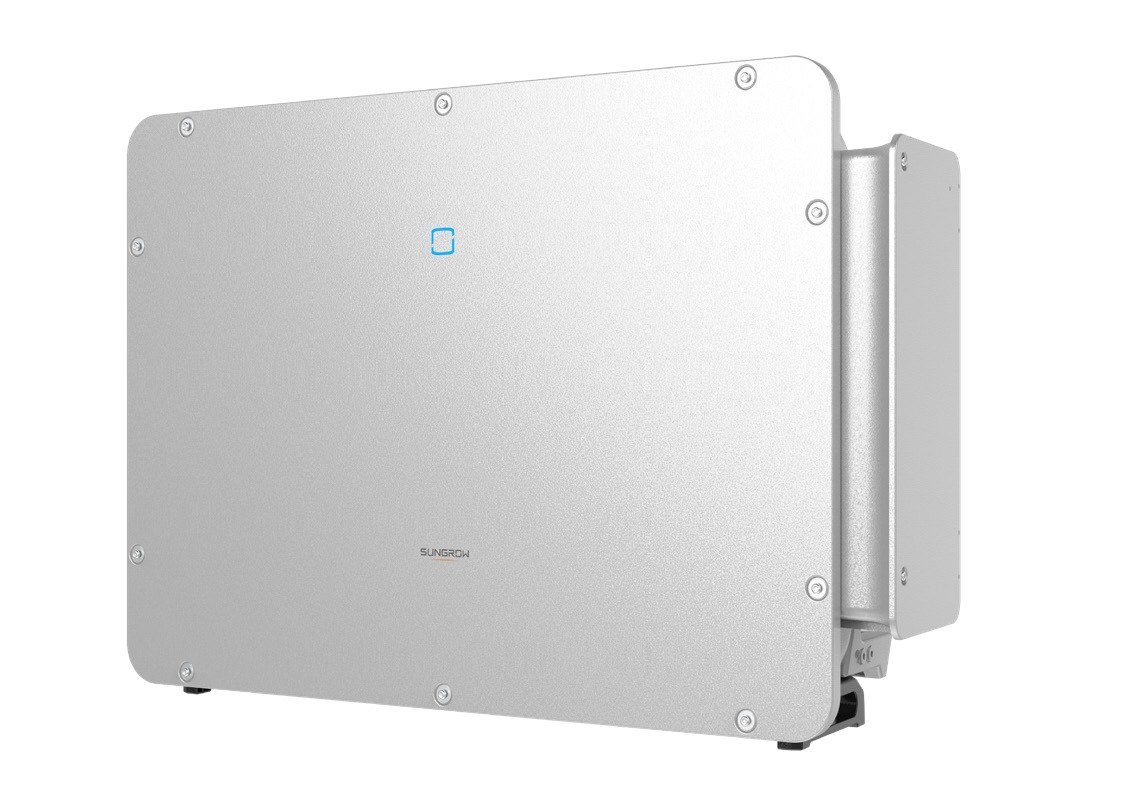 | Solar PV Inverter 75kW Multi-MPPT String Inverter Engineered for large-scale commercial and industrial solar installations, the SG75CX-P2 delivers exceptional energy... View product → |
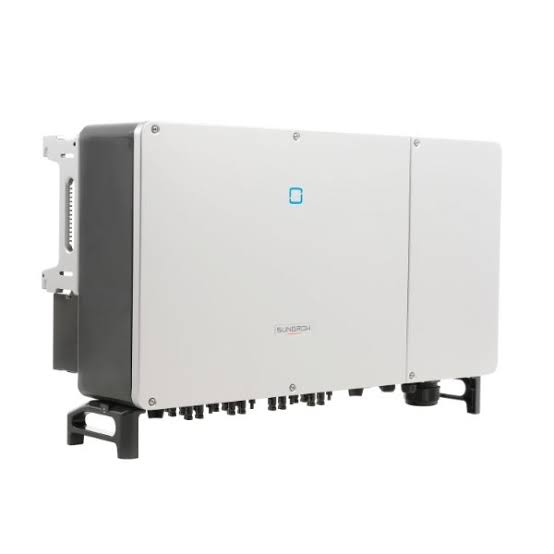 | Solar PV Inverter Multi-MPPT String Inverter Engineered for large-scale commercial and industrial solar installations, the SG110CX delivers exceptional energy yield... View product → |
Frequently asked questions
Does a Pune utility solar plant need an inverter or a transformer?
It needs both. The inverter converts PV-module DC into low-voltage AC, commonly around 400 V, while the transformer raises AC voltage for medium-voltage collection and grid export.
How do string and central inverters differ for utility-scale solar?
String inverters divide the plant into smaller independently monitored sections, while central inverters consolidate more capacity in larger power-conversion units. Compare equipment count, layout, redundancy, maintenance access, shading exposure and replacement risk.
What inputs are needed to size a utility solar inverter?
Check module open-circuit voltage, maximum-power voltage, short-circuit current, operating temperature range, string length, parallel-string current, DC-to-AC ratio and the inverter’s voltage and current limits.
What should you specify for a Pune utility solar transformer?
Specify the rated power, primary and secondary voltage, frequency, vector group, impedance, tap range, cooling method, insulation level, losses, protection scheme, earthing arrangement and factory and site acceptance tests.
Related products
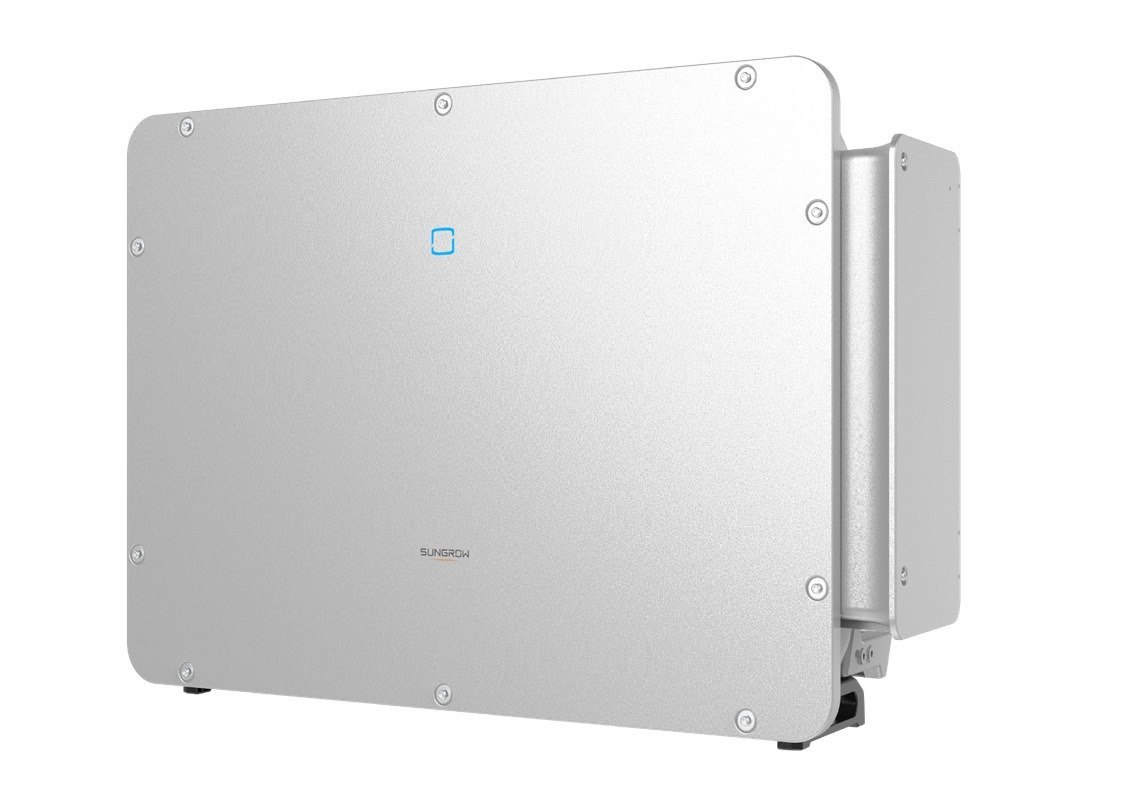 | Solar PV Inverter 125kW Multi-MPPT String Inverter Engineered for large-scale commercial and industrial solar installations, the SG125CX-P2 delivers exceptional energy... View product → |
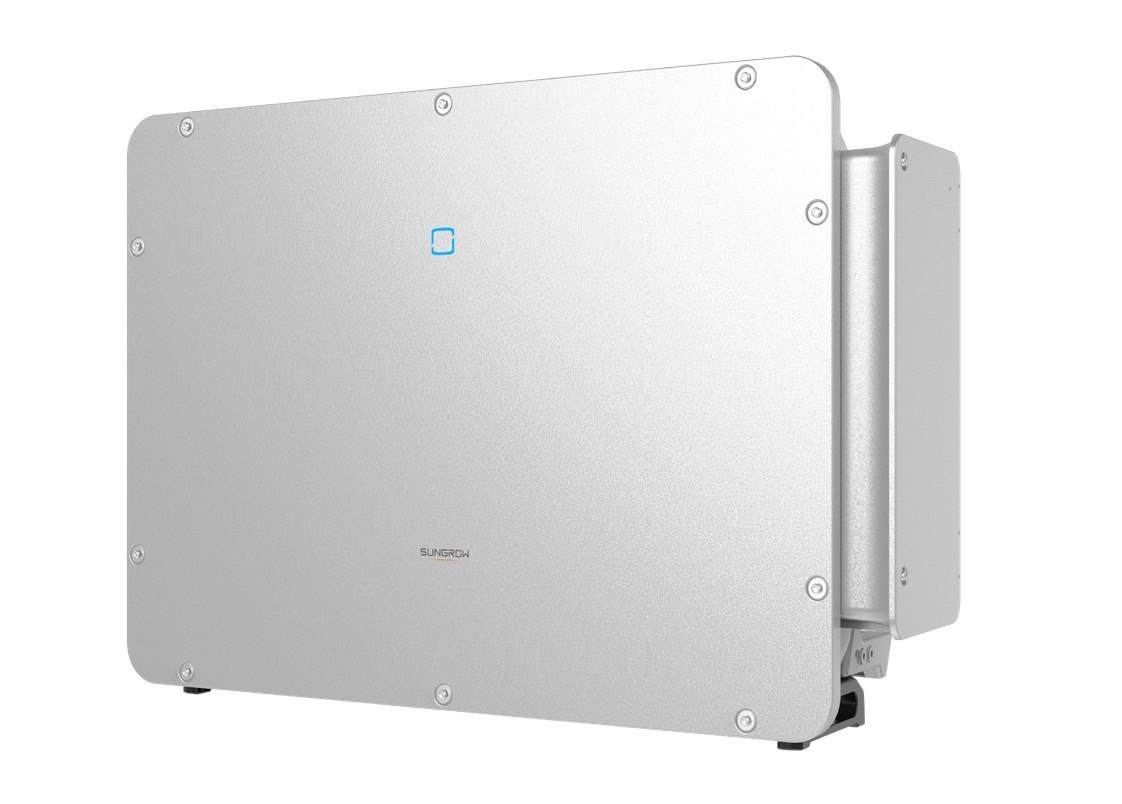 | Solar PV Inverter ungrow SG150CX — 150kW Multi-MPPT String Inverter Engineered for large-scale commercial and industrial solar installations, the SG150CX delivers... View product → |
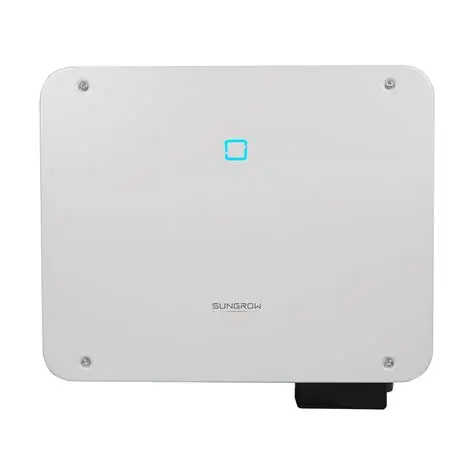 | Solar PV Inverter Sungrow 50 KW Solar PV inverter. A very robust product for commercial and industrial. View product → |
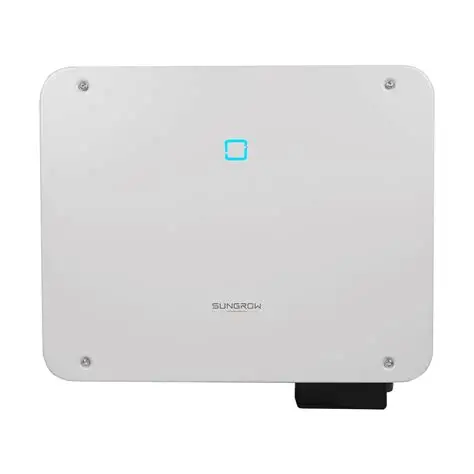 | Solar PV Inverter Sungrow 33 KW Solar PV inverter. A very robust product for commercial and industrial. View product → |