
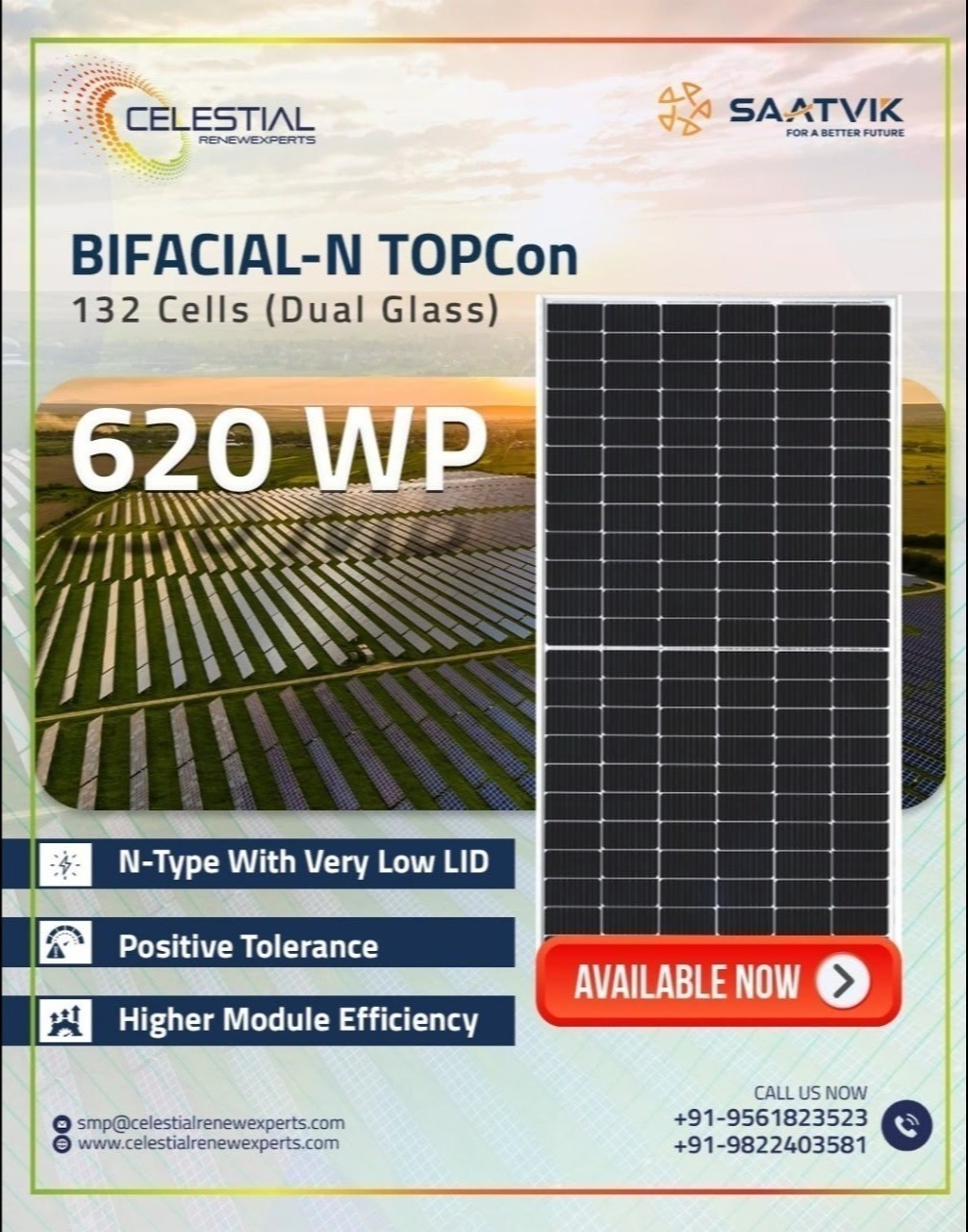
When two solar modules appear similar on paper, buyers may focus primarily on price per watt. That comparison is useful, but incomplete. Choosing Saatvik Solar Panels in Pune for a rooftop project requires evaluating module characteristics alongside roof area, inverter design, environmental conditions, warranty terms, and long-term project expectations.
For commercial and industrial properties in Maharashtra, available roof space can become a major design constraint. More efficient use of usable area may matter where buildings contain skylights, vents, water tanks, HVAC equipment, access routes, or shaded sections.
Features Buyers Should Compare
A practical module assessment should cover:
Rated output
Module efficiency
Cell and module technology
Dimensions and weight
Temperature characteristics
Mechanical specifications
Applicable certifications
Product warranty
Performance warranty
Compatibility with the proposed system
Key Benefits of a Technical Buying Approach
Evaluating these factors can help buyers achieve:
Better rooftop utilisation
More appropriate system sizing
Improved equipment compatibility
Clearer long-term performance expectations
More informed lifecycle-cost comparisons
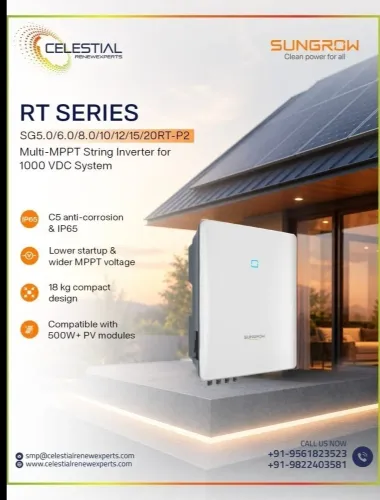
Buyers should also examine the module's role within the complete solar system. The inverter's MPPT and voltage requirements, string configuration, mounting arrangement, DC cable sizing, and connector selection all influence the final design.
For organisations planning installations in Pune, Celestial Renewexperts LLP can assess modules together with other major solar components to determine whether the proposed equipment combination suits the site's requirements.
FAQs
Is price per watt enough for comparing solar panels?
It is useful but should be considered alongside efficiency, warranty, technology, dimensions, and project suitability.
Does module efficiency matter on large roofs?
Yes, although its importance varies depending on usable space and required system capacity.
Should solar panel and inverter selection happen together?
They should be technically coordinated because module electrical characteristics influence PV string and inverter design.